Early History of Pesticide Use – compounds used as medication and/or as pesticides
1,200 BCE -Botanical insecticides were being used for seed treatments and as fungicides in China. The Chinese were also using mercury and arsenical compounds to control body lice (Cornell)
1,000 B.C.E – Homer refers to the use of sulfur in fumigation and other forms of pest control (Cornell)
1500 BCE – First descriptions of cultural controls especially manipulation of planting dates (Cornell)
470 BCE -Democritus cited by Pliny (77 CE) controls blight (which blight is not specified) by sprinkling plants with amurca (liquid waste remaining after olive oil is produced). Sandarach – arsenic- used to control grape blight,
415 BCE – Hippocrates reported use of Arsenic sulfides (Orpiment or Realgar – AKA Sandarac) to treat ulcers and cauterize tumors (Hayes Pesticides Studied in Man)
324 B.C.E – Chinese introduce ants (acephali amaragina) in citrus trees to manage caterpillars and large boring insects. (Cornell)
200 CE – Galen, following school of Hippocrates employed arsenic sulfides to cauterize ulcers and tumors (Hayes, Pesticides Studied in Man)
229 CE – Arsenic use to control fermentation of liquid must pressed from grapes
300 CE – First record of the use of biological controls (predatory ants) in citrus orchards in China. (Cornell)
400 CE – Ko Hung a Chinese alchemist, recommended a root application of white arsenic when transplanting rice to protect against insect pests (Cornell)
1007 CE – Avicenna reported use of Arsenic sulfides to treat ulcers and cauterize tumors following school of Hippocrates (Hayes – Pesticides studied in Man)
1485 CE – The High Vicar of Valence commanded caterpillars to appear before him, he gave them a defense council and finally condemned them to leave the area (Cornell; context provided by https://hauntedpalaceblog.com/)
1494 CE – Tobacco brought to Europe from Americas
1690 CE – Nicotine wash applied to pear trees in France to control pear lacebug
1691 CE – use of nicotine as treatment for head lice
1732 CE – Farmers first begin to grow crops in rows to facilitate weed removal (Cornell)
1804 CE – Use of arsenic or insect pests in early years of Australian settlement
1825 CE – Nicotine “smoke”fumigations
1840 CE -Potato blight (Phytophthora infestans) outbreak in Ireland, England and Belgium
1846 CE – WF Daniell reports on Calabar bean used as an ordeal poison, leading
1854 CE – Tetraethylpyrophosphate synthesis
1867 -1870 CE -Colorado potato beetle infestation discovered, use of arsenical Paris geen to control outbreak in Illinois
1888 CE – Pyrethrum sold commercially in Northern California (Stockton Mail 1888)
1890 CE -Introduction of lead arsenate for insect control (Cornell)
1913 CE – Isolation of acetylcholine neurotransmitter
1914 CE – Physostigmine isolated
1932 CE – difluorophosphate esters synthesis, poisoning of chemists; selection of compounds based upon maximum toxicity
1939 CE – Swiss chemist Paul Hermann Müller discovers DDT insecticidal action
1944 CE – First hormone-based herbicide (2,4-D) (Cornell)
1945 CE – First synthesis of chlordane
1962 CE – Rachel Carson Silent Sprin
1977 CE – First registration of a pheromone (Cornell)
1979 CE – The bacterium, Agrobacterium radiobacter is registered to control crown gall disease
Classifications of Mode of Action
Prior to 1800’s – Discovery of pesticidal activity vs medicinal activity, arguably a form of classifying mode of action
1800’s -1900 – by method of active ingredient delivery – Contact poisons vs Stomach poisons
1960-2025 CE – Study of biochemical mechanisms, classification of insect resistance mechanisms; selection based on least effect on secondary targets; use of genomics and experimental stimulation of biological pathways

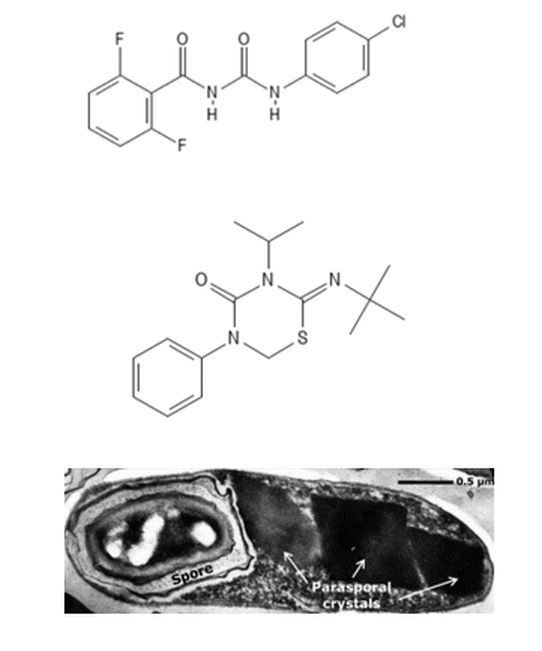
Consensus decision making
•Need for rules to interpret new bio-informatics methods -similar to Bradford-Hill criteria for distinguishing causal from non-causal associations in epidemiology
•Strength of association and dose-response; •Consistency of association with repeated studies; •Specificity of association (e.g. a rare tumor type); •Temporality: The factor must precede the outcome it is assumed to affect; •Biological plausibility and coherence and similarity to known causes of disease; •Experimental data
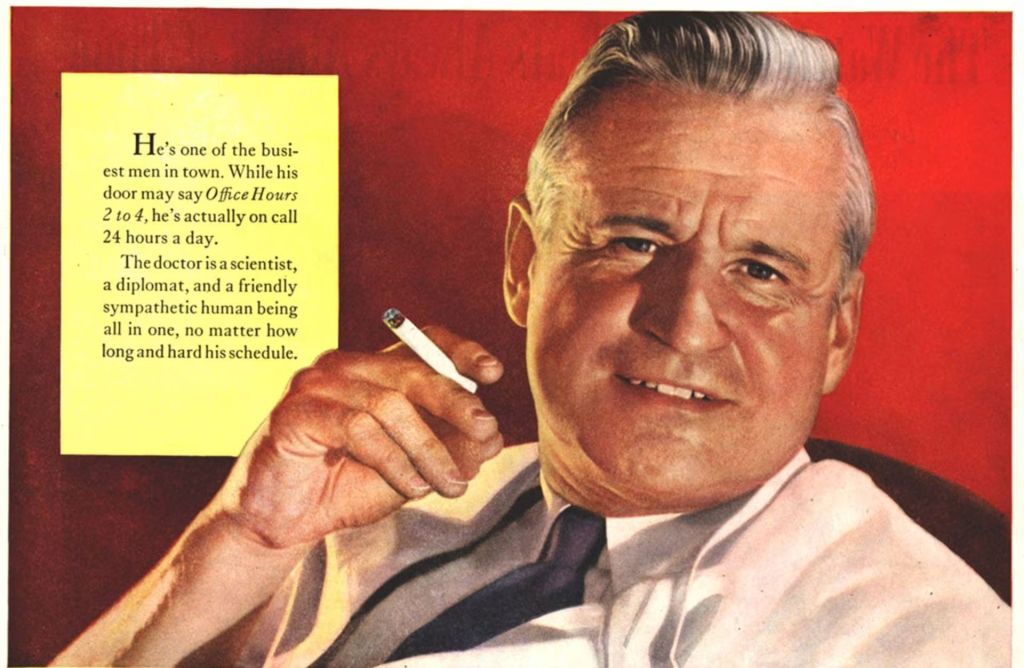
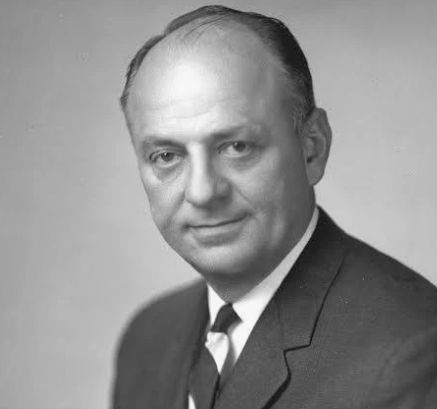
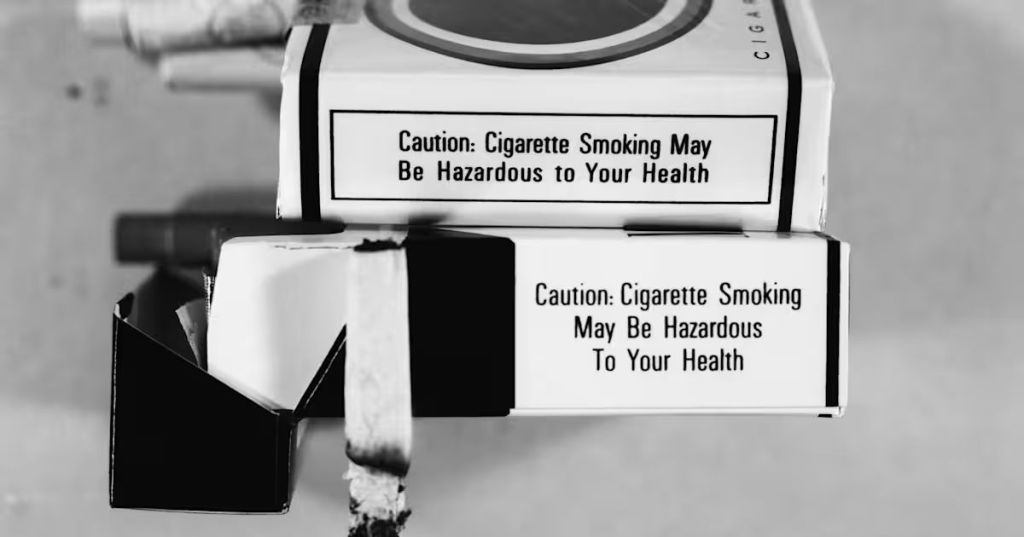
Consensus rules allowed opinon to shift on cigarettes from era where doctors appeared in smoking ads to Surgeon General Luther Terry’s warnings against the dangers and the impact of tobacco use on health
•Current issues -Best methods for identifying resistant organisms, mode of action, receptor sites partially defined but keep evolving
 Cholinesterase Monitoring Tools
Leave a comment